By BEO Lifestyle
Money habits form earlier than most people think. In fact, research from the University of Cambridge shows that children develop core money behaviors by age 7. That means the best time to start teaching kids about money is not when they’re teens—but when they’re still asking to buy sweets at the checkout line.
As parents, we want our children to grow up confident, responsible, and equipped for real life—and that includes understanding how to manage money.
The good news? You don’t need to be a financial expert to raise financially smart kids. You just need everyday, teachable moments and a few simple tools.
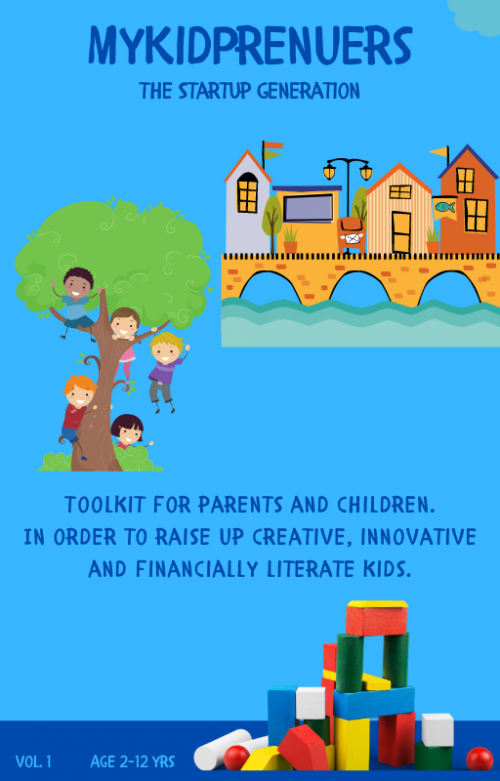
I found this book very helpful. MyKidPrenuers: The StartUp Generation, The Financial Literacy for Kids Toolkit is a comprehensive resource designed to empower young minds with essential money management skills. Click here to get it myKidPrenuers : The StartUp Generation
Here are 10 smart money habits every parent should teach their kids before they turn 10:
1. Give Them Real Money to Manage
Kids learn best by doing. Whether it’s pocket money, birthday cash, or small earnings from chores, let them touch, count, and spend real money.
🧠 Lesson: Money is finite—and managing it is a choice.
2. Teach the “Needs vs. Wants” Rule
The earlier kids understand the difference between things they need (like food or shoes) and want (like toys or sweets), the better. Use shopping trips or cartoons as conversation starters.
💬 “Do you think this is something we need, or something we want?”
3. Let Them Earn It
Instead of giving handouts, assign age-appropriate tasks that earn them money. Whether it’s folding laundry, feeding the pet, or helping with dishes—earning builds confidence and accountability.
🧠 Lesson: Money is earned through effort.
4. Use the Save-Spend-Give Jar System
Three jars, three habits. Teach kids to divide their money into:
- Save – for something big
- Spend – for small purchases
- Give – for helping others
This simple system creates lifelong budgeting skills. (We’ve included a free printable version—download it below!)
5. Celebrate Saving Milestones
If your child saves up for something they really want—celebrate it. Mark the day, take a photo, or let them share their achievement with family. This positive reinforcement builds pride in delayed gratification.
🎉 Saving should feel like a win, not a sacrifice.
6. Show Them How to Budget
You can create a simple budget using coins, stickers, or printable charts. Let them plan their money before spending it, and help them track their choices.
📋 Budgeting isn’t boring when it’s colorful, visual, and goal-based.
7. Talk About Your Spending Decisions
Model the behavior you want to see. When shopping, explain why you chose the cheaper item, skipped the sale, or used coupons.
🗣️ “I’m choosing this because it saves us money we can use for our holiday.”
8. Play Money Games Together
Games like Monopoly Junior, online money apps, or pretend store play can make money lessons fun. These encourage decision-making and risk assessment in low-stakes ways.
🎲 Play is how kids process big ideas.
9. Let Them Make Small Mistakes
If they spend all their money on sweets and regret it later—don’t bail them out. Instead, talk it through gently. Natural consequences help shape smarter choices next time.
🤕 Small mistakes now prevent big mistakes later.
10. Model Generosity and Gratitude
When your child sees you giving, tithing, or helping others, they learn that money isn’t just for getting—it’s for giving.
🙏 Gratitude and generosity are two of the most powerful money mindsets you can pass on.
, online money apps, or pretend store play can make money lessons fun. These encourage decision-making and risk assessment in low-stakes ways.
🎲 Play is how kids process big ideas.
9. Let Them Make Small Mistakes
If they spend all their money on sweets and regret it later—don’t bail them out. Instead, talk it through gently. Natural consequences help shape smarter choices next time.
🤕 Small mistakes now prevent big mistakes later.
10. Model Generosity and Gratitude
When your child sees you giving, tithing, or helping others, they learn that money isn’t just for getting—it’s for giving.
🙏 Gratitude and generosity are two of the most powerful money mindsets you can pass on